
Halfway houses are sometimes designated for individuals following incarceration who may have also undergone a drug or alcohol treatment program while in prison. This type of halfway house is frequently sponsored by the state to help those newly released from prison to reacclimate to life on the outside. Although some sober living facilities provide possibilities for peer support group meetings, they do not provide ‘formal’ addiction therapy. Residents must still see their therapist, doctor, or treatment center to stay on track with their treatment plan. Many halfway homes are still used to shelter newly released offenders or as a solution for homelessness, while others are dedicated to housing persons who have recently completed addiction treatment. Residents in halfway houses are frequently ordered by the courts to stay for a set period of time.
Sober Living Success Rates: Statistics That Prove It Works (and How to Find the Best Program for You)

Life skill training may include anger management, relapse prevention, communication skills, financial planning, computer skills, and job search skills. Understanding these nuanced differences allows for a better-aligned decision-making process that significantly impacts the effectiveness of one’s recovery path. Nonprofits and social service organizations may now efficiently face field difficulties and serve more clients with less effort and in lesser time thanks to cutting-edge case management software for housing. These software solutions make the whole process of case management, right from induction to exit a breeze for both the client and the case managers. Case managers are also responsible for addressing difficulties that may prevent the homeless from accessing livable housing alternatives in other housing programs. Credit history, arrears, or any other legal concerns are examples of these impediments.
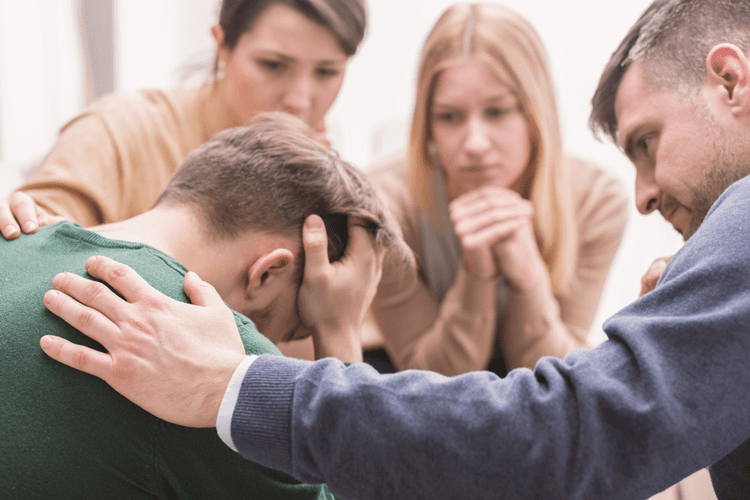
Key Differences Between Halfway Houses and Sober Living Houses
The verification process ensures that all residents meet the predefined criteria, which are essential for maintaining the safety and effectiveness of the recovery environment. While the goal of sober living homes and halfway houses are similar, there are a few variances. For starters, halfway houses are frequently intended for those who have recently been released from prison and have completed a drug treatment program while incarcerated. People often confuse the two because both are facilities used to help people ease from use disorder inpatient treatment to fully independent living. You should opt for either of these if you need a little more time to stabilize before you can resume your healthy life.
Family Therapy vs Individual Therapy: How to Choose the Right Path
- For individuals struggling with addiction to alcohol and drugs, Harris House helps people achieve sobriety and become healthy and productive individuals.
- Both sober living homes and halfway houses play pivotal roles in equipping residents for a successful transition into independent living.
- They’re usually funded by the state or federal government and staffed with social workers.
Frequent drug testing ensures compliance with this cardinal rule, providing another layer of accountability within these shared living spaces. Let’s sum up the similarities and differences between these two forms of recovery housing. Recovery is a new way of living, one that takes ongoing care, reflection and support. At Hazelden Betty Ford, we understand how important it is to have the right environment as you continue building a life that feels meaningful and authentically you. Many homes recommend a minimum of 90 days, but the right length depends on your goals and what feels helpful and supportive for your next chapter.
How Our Boston Addiction Treatment Center Can Help
By understanding these distinctions, individuals can better decide which environment aligns with their personal recovery needs and goals. The key differences between a rehabilitation program and sober living are the intensity of treatment and the level of independence granted to residents. While rehabilitation programs are more structured, sober living homes offer more flexibility, allowing residents to integrate back into society gradually.
Compare Sober House vs Halfway House: What’s Best?
This guide answers common questions about early recovery and explains how a structured sober house can turn uncertainty into steady progress. Some halfway houses now accept voluntary clients, but the historical structure still shapes house rules. Residents usually share bedrooms, attend regular drug testing, and follow a strict schedule that may feel institutional to someone seeking a more home-like environment. Sober living houses https://www.criativa.com.br/blog/alcohol-s-effects-on-the-body-national-institute-9/ are ideal for individuals voluntarily committed to their sobriety journey without active legal mandates dictating their housing.

Exploring the Different Types of Transitional Housing for Addiction
Attendance at house meetings where difficulties pertaining to daily life are discussed helps promote camaraderie among residents who have the same struggles. Oxford Houses provide a peer-run, democratically organized living environment fostering independence and community-driven support. Residents, not staff, manage Oxford Houses, making them self-governed rather than sober house vs halfway house supervised.
Mental Health
After completing a rehabilitation program, maintaining sobriety in the outside world can be a challenge. Sober living homes, also referred to as three-fourths houses, are designed to accommodate those dealing with this challenge. They provide a supportive, safe space where people can live free of addiction with others who share the same goal. While these similarities are important, the differences between halfway houses and sober living homes can greatly influence an individual’s experience and the type of support they receive. In this post, we’ll break down the similarities and differences between halfway houses and sober living homes, so you can choose the Sobriety right fit for your recovery needs. For someone who’s recently sober, the period of adjustment after completing an addiction treatment program is an especially vulnerable time.
- Recovery from addiction is a journey that doesn’t end with completing a treatment program.
- Because of this, halfway houses can be used by the homeless or people coming out of incarceration.
- If someone is unable to work initially, due to a lack of experience, there may be some help in building skills to do so.
- Both environments support sobriety through different approaches – halfway houses through structured oversight, sober living homes through peer accountability and personal responsibility.
Halfway houses generally facilitate shorter-term transitions, often lasting three to six months. The primary goals are meeting immediate legal requirements, securing basic stability (like initial employment), and demonstrating compliance before moving to less supervised settings or independent living. The focus is often on fulfilling obligations and establishing an initial community footing.
