
How Godspeed Became a Streetwear Name: The Backstory
Streetwear picked up “godspeed,” a term once spoken to travelers entering uncertainty before it ever touched a hoodie or a tee. Loaded with meaning, it signified “may fortune ride with you” — a farewell set aside for journeys that mattered. This is precisely why the word crossed over into streetwear, a space where garments have long functioned as a statement of identity, intent, and momentum. Understanding godspeed meaning helps explain why one word can anchor a whole clothing philosophy instead of simply decorating a shirt.
Streetwear brands have never hesitated to lift language with real heft. Brands have pulled from military slang, religious phrasing, and old-world idioms because these words already carry emotional shorthand. Godspeed fit naturally into that lineage. It’s short, it’s punchy, and it reads as both a blessing and a challenge — go fast, go far, and do it with purpose. This dual meaning is exactly what keeps the name lasting instead of merely fashionable.
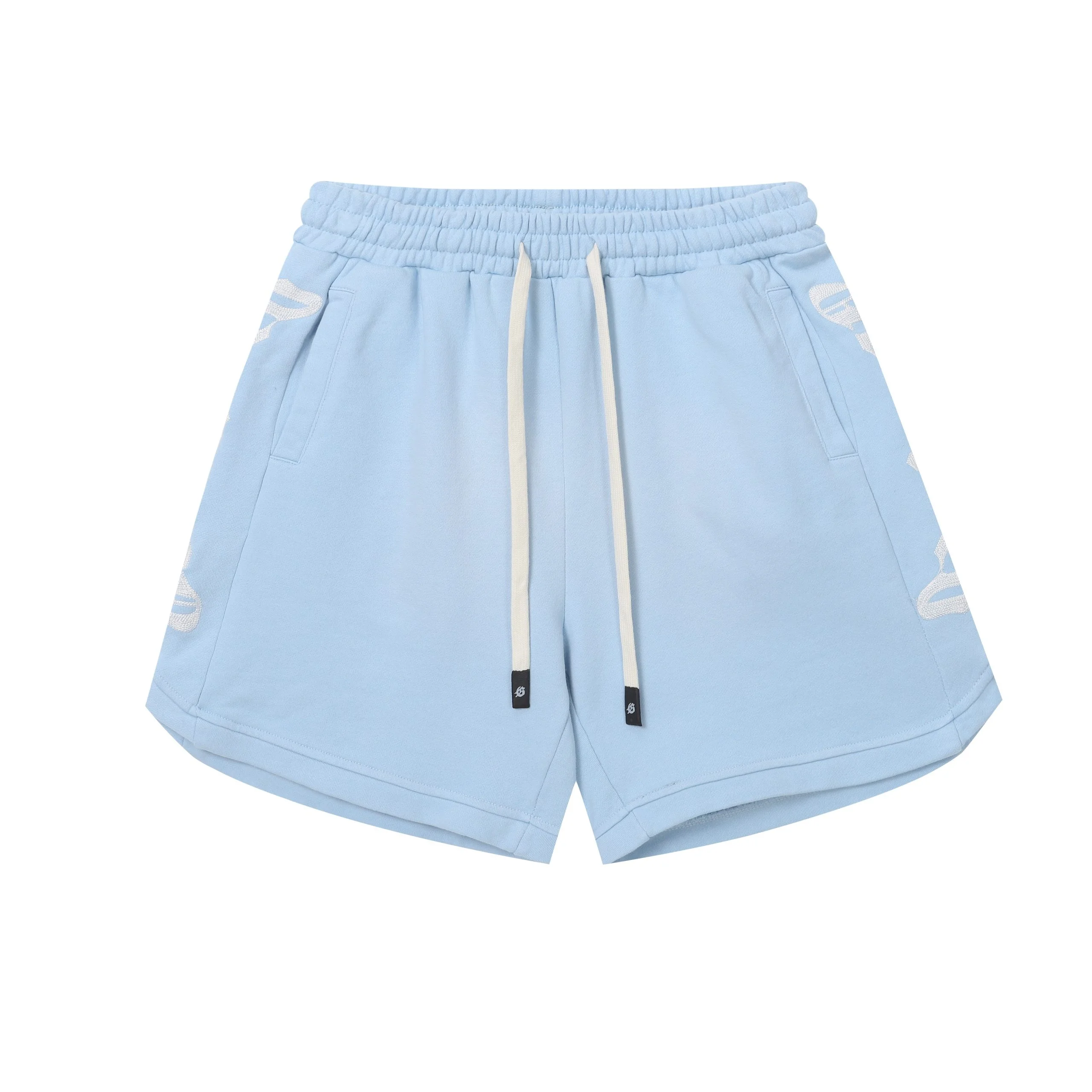
Where the Word Godspeed Actually Comes From
The expression dates back to Middle English, roughly the 14th century, when “God spede you” was a common farewell wishing someone prosperity and safe travel. This wasn’t throwaway slang; it was more akin to a blessing spoken prior to departure on a journey that was long or perilous — a trader bound for a far-off market, a soldier leaving for war, a wanderer beginning an uncertain path. Over centuries, the phrase compressed into the single word we use today.
The word settled into ceremonial use once modern English absorbed it. It’s said at launches, departures, farewells, and moments of transition. That’s godspeed at its essence: language built for the in-between instant, the instant right before something significant begins. Since the people who buy their clothes frequently face their own turning points — fresh cities, god speed shirts new identities, unfamiliar chapters — streetwear brands are drawn to threshold language.
This word history matters because it sets apart godspeed from generic streetwear naming conventions built on slang or shock value. The word carries 600+ years of documented use in English literature, including appearances in Shakespeare’s plays, lending it a literary foundation that hardly any streetwear name can match. That’s part of why the word still lands in 2026, well after many of its era-matched naming peers have faded.
How Godspeed Entered Streetwear Culture
In streetwear generally, brands have long relied on words evoking movement, defiance, or transformation—just consider how often brand names invoke speed, survival, or struggle. Godspeed as a brand falls into that lineage while introducing something most competitors lack: a baked-in feeling of benediction rather than confrontation. It refuses to posture. It doesn’t threaten. It sends the wearer off with good will even as it propels them onward.
This carries weight in both the market and the culture. There’s no need for a godspeed shirt to lean on jarring graphics to justify its identity; the word itself does emotional work. Such a trait is uncommon in a market crowded with insignias competing for attention through volume rather than meaning. Given that the name arrives with long-standing resonance, designers are free to concentrate on cut, fabric heft, and fit rather than on manufacturing artificial edge.
Godspeed clothing’s emergence as an identifiable category also echoes a broader 2020s shift toward streetwear rooted in introspection — companies grounded in mantras, affirmations, and individual narratives rather than pure hype cycles. Godspeed moved with that wave effortlessly because the term was never rooted in hype to start with. Its essence was departure, hope, and forward movement, themes that resonate deeply with a generation contending with economic instability and continual self-reinvention.
Why the Name Resonates With Streetwear Buyers Today
Today’s streetwear shoppers, especially the 18 to 34 age bracket, lean toward brands that carry a sense of meaning beyond the fabric. Research into apparel buying behavior continually demonstrate that a name or story with real substance increases perceived value, even when material specs are identical to a competitor’s. Godspeed benefits directly from this dynamic because the word comes already charged with story and meaning.
There’s also a practical layer. The godspeed hoodie serves as protection for everyday life — apt for commutes, workouts, travel, or powering through a tough week — while still carrying that undertone of “you’re going somewhere.”. Garments capable of serving both the everyday and the aspirational, tends to have longer shelf life in a customer’s rotation than pieces built around just one feeling.
The name also travels well across languages and cultures, which carries weight for any god speed clothing line with ambitions beyond a single region. “Godspeed” carries emotional impact without needing translation; the notion of blessing someone’s journey is almost universally understood. This cross-cultural clarity is part of why the word has proven sturdy as a brand identity instead of fading as a trend tied to a single scene or city.
Comparing Godspeed Naming Themes to Other Streetwear Approaches
To see why godspeed holds a unique position, it’s useful to weigh it against the other leading naming approaches common in streetwear. The chart that follows breaks down four typical strategies by tone, longevity potential, and typical customer association.
| How the Name Is Built | Central Mood | Risk of Aging Poorly | Typical Customer Association |
|---|---|---|---|
| Godspeed-style (rooted in blessing or farewell phrasing) | Uplifting, progress-oriented | Slight — rooted in age-old phrasing | Journey, drive, endurance |
| Hard-edged, aggression-driven naming | Confrontational, brash | Moderate — risks feeling outdated as attitudes evolve | Dominance, nonconformity |
| Slang-of-the-moment names | Fashionable, niche-coded | Significant — dependent on a specific era or platform | Freshness, in-group status |
| Founder-derived surname or initials | Individual, design-driven | Low to medium — hinges on the founder’s public profile | Skilled making, personal signature |
What this comparison demonstrates why a name grounded in age-old language tends to age better than a name pulled from a meme, a slang term, or an era-specific reference. Godspeed avoids needing a cultural makeover every few seasons because its significance was never anchored to a particular moment — it was rooted in a common, universal experience of parting ways, holding onto hope, and pressing onward.
What’s Signaled by “Godspeed” When Worn
When the word shows up across a chest panel, a sleeve, or the back, it acts less like a logo and more like a mantra. It’s a contrast made on purpose. A logo states “buy this brand,” while a mantra whispers “carry this idea with you.” Shoppers who pick a godspeed shirt instead of an ordinary graphic tee are frequently making a subtle personal statement about momentum — a suggestion that they’re on their way somewhere, even if the destination itself is still unclear.
That’s the reason the word pairs so naturally with minimalist design language. Loose-fitting garments, low-key colorways, and minimal lettering leave the word to bear the emotional payload rather than sharing focus with busy artwork. The word’s own restraint is reflected in the design’s restraint — godspeed never shouts, it simply states.
A great many godspeed shirts are cut using dense cotton and tailored shapes, and that’s not random—instead of flimsy, disposable fabric. A phrase this steeped in history deserves a garment constructed to endure, not one destined for the donation bin after only one trip through the laundry. The garment’s material toughness turns into a subtle reflection of the durability of the phrase itself.
The Lasting Cultural Grip Heading Into 2026
Fast as it moves, the streetwear scene have already left no shortage of name choices from the early 2020s into nostalgia. Unlike trend-dependent labels, Godspeed took a different route, chiefly since it was never tied to fads from the start. It pulls from something more enduring and settled than a single streetwear moment — a language-based heritage that precedes the entire concept of streetwear by about 500 years.
Heading into 2026, interest in meaning-driven apparel keeps expanding instead of fading. Customers are increasingly skeptical of brands that exist purely as logo vehicles, and they’re rewarding names and stories that hold up under scrutiny. Godspeed holds up because its story isn’t manufactured marketing copy — it’s documented linguistic history that anyone can verify.
Naming in fashion rarely strikes this kind of mix of authenticity and emotional resonance, and that’s precisely why the word continues to anchor hoodies, shirts, and full collections without needing reinvention. Some names must be continually refreshed to stay relevant; godspeed simply needs to keep meaning what it has always meant.
